Foraging Beyond the Garden: Common Edible Plants
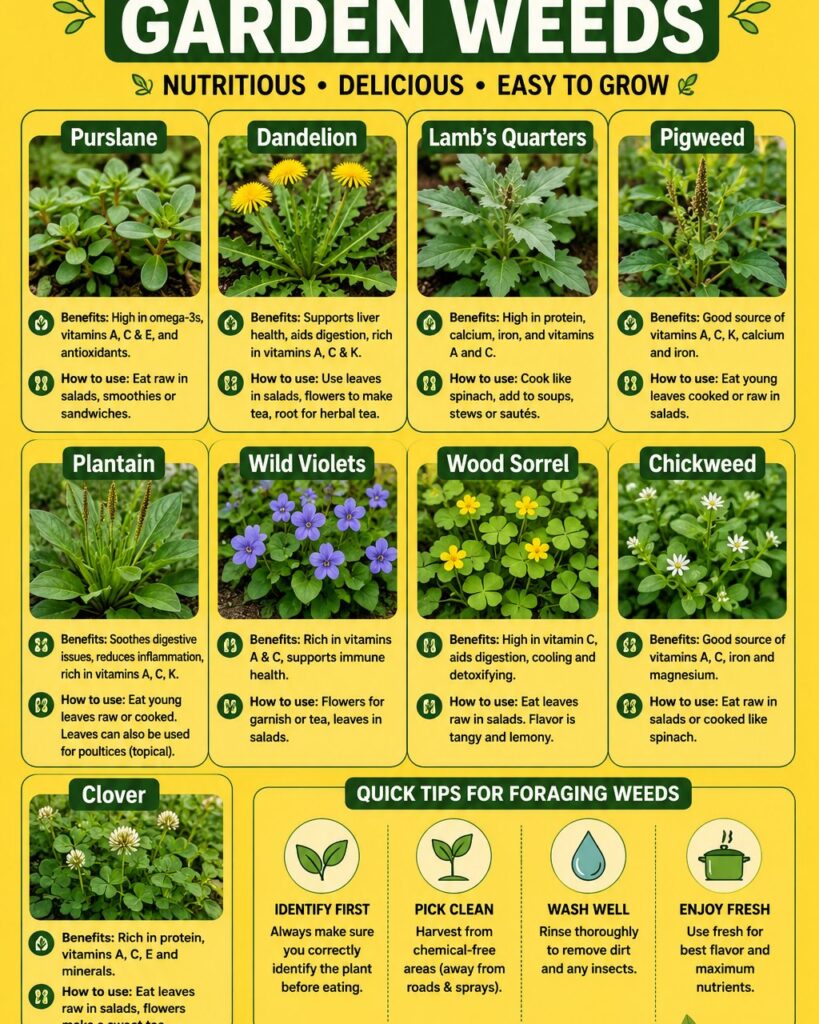 Many plants often dismissed as weeds are, in fact, nutritious and edible. Dandelions, for instance, are entirely edible from root to flower, with their slightly bitter leaves working well in salads and their roots roastable into a coffee substitute. Purslane, a low-growing succulent that thrives in disturbed soil and cracks in sidewalks, has a mild, slightly lemony flavor and happens to be one of the richest plant sources of omega-3 fatty acids. Even the humble clover, so often mowed without a second thought, produces edible leaves and flowers that can be tossed into salads or steeped for a mild tea. Nasturtiums, a common garden ornamental, are entirely edible too, with peppery leaves and flowers reminiscent of watercress that make a colorful, flavorful addition to salads. Even the humble clover, so often mowed without a second thought, produces edible leaves and flowers that can be tossed into salads or steeped for a mild tea.
As with any foraging, correct identification is the most important step before eating anything found in the wild. Some edible plants have toxic look-alikes, so it’s worth cross-referencing multiple trusted field guides or apps and, ideally, learning from someone experienced before eating anything you’ve gathered yourself. It’s also smart to avoid plants growing near roadsides, industrial areas, or heavily treated lawns, since they can absorb pollutants or pesticide residue. With some care and curiosity, though, foraging can turn an ordinary walk into a small treasure hunt, revealing food sources hiding in plain sight.
Of course, foraging comes with real responsibility. Plants like wild fennel and miner’s lettuce have toxic look-alikes, such as poison hemlock, which can be fatal if misidentified, so positive identification using multiple reliable sources is essential before eating anything. It’s also worth checking local regulations, since foraging is restricted or banned in many state and regional parks to protect fragile ecosystems. For those new to the practice, joining a guided foraging walk with a knowledgeable local expert is one of the safest ways to start building the skills and confidence needed to explore this often-overlooked part of California’s landscape.
We hope this is useful information for you.
Your Friends of Loma Vista Farm


