Rita's Monthly Gardening Tips, August 4, 2014
Do you have a pest problem? Let’s examine the words “pest problem” more closely to figure out a solution. A pest is defined as living organisms that occur where they are not wanted or that cause damage to crops or humans or other animals. Examples include:
- insects
- mice, gophers, deer, etc.
- unwanted plants (weeds)
- fungi
- microorganisms such as bacteria and viruses
Although the definition of pest is clear, the definition of “problem” would be completely up to each individual person. Massive amounts of toxic chemicals are pumped into the environment every year so we can enjoy perfect blemish-free produce and live a completely insect-free life. Increasing our tolerance for insects and learning more about the life cycles, food chains, and balances in nature will enable us to find a way to solve our pest problems without doing additional harm to the environment.
Often our first line of defense in dealing with a pest problem is to arm ourselves with pesticides. Pesticides should be used only after all possible methods of control have been tried and are not working.
A pesticide is any substance or mixture of substances (chemical or organic) intended for:
- preventing,
- destroying,
- repelling, or
- mitigating any pest.
Although often misunderstood to refer only to insecticides, the term pesticide also applies to herbicides, fungicides, and various other substances used to control pests. Please note that sprays or substances even completely natural and organic are still designed to kill or otherwise adversely affect living organisms, so they are therefore still pesticides. Many sprays will harm the pests and similar non-pests. For example, Bacillus thuringiensis (or Bt) is a natural pesticide that will kill pests within the Lepidoptera order such as the much-hated Tomato Hornworm, Cabbage Looper, and Corn Ear worm. But also within this same Lepidoptera order are the beloved and very beneficial Swallowtail, Monarch, Painted Lady and other butterflies. BT kills caterpillars good or bad.
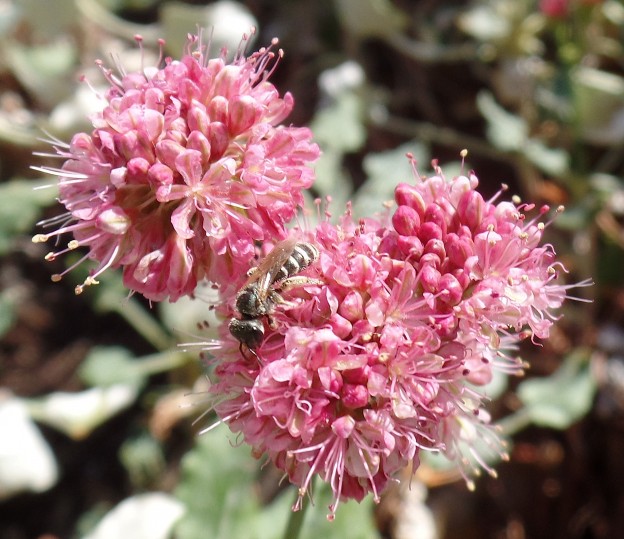
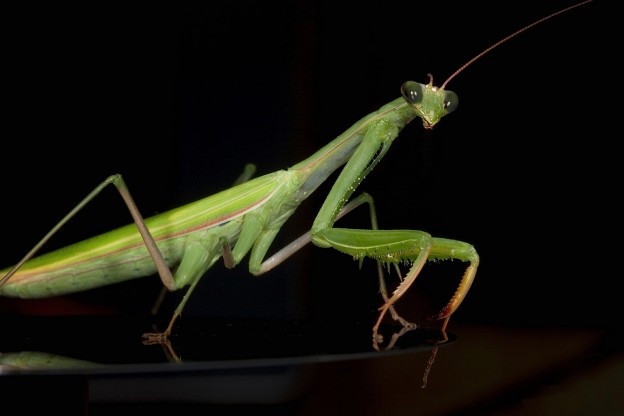
It’s important to see pests as a part of nature and very often a food source for non-pest insects or animals. Our goal is to manage the populations of pests and nonpests rather than to eliminate pests solely. Follow the steps below for safe and healthful pest management:
- Garden Practices. Build healthy soil, which will create healthier plants that are more able to withstand some insect damage. Don’t over fertilize or over water, and plant the right plants in the right place.
- Biological. Encourage natural predators such as beneficial insects, birds, and bats that eat pests. Plant flowers and/or build boxes that will create habitat (food and shelter) for natural predators.
- Identify. Be absolutely certain what the problem insect is. This is a big one. It is very easy to see guilt by association. We may see rolly pollies by our lettuce and assume they are the culprits when actually it is nighttime marauding slugs doing the damage.
- Physical. Pick, smash, or trap pests. Hose off visible pests with a strong stream of water.
- Pesticides. As a last resort only. Start with the least toxic pesticides that are specific to the positively identified pest.
Active ingredients approved by the EPA in minimum-risk pesticides:
Castor oil (U.S.P. or equivalent)
Linseed oil
Cedar oil
Malic acid
Cinnamon and cinnamon oil
Mint and mint oil
Citric acid
Peppermint and peppermint oil
Citronella and Citronella oil
2-Phenethyl propionate (2-phenylethyl propionate)
Cloves and clove oil
Potassium sorbate*
Corn gluten meal
Putrescent whole egg solids
Corn oil
Rosemary and rosemary oil
Cottonseed oil
Sesame (includes ground sesame plant) and sesame oil*
Dried blood
Sodium chloride (common salt)
Eugenol
Sodium lauryl sulfate
Garlic and garlic oil
Soybean oil
Geraniol
Thyme and thyme oil
Geranium oil
White pepper
Lauryl sulfate
Zinc metal strips (consisting solely of zinc metal and impurities)
Lemongrass oil
Keep it natural and keep on gardening. See you next month.